Tools
DSI creates tools that power research and foster interdisciplinarity. This portfolio includes tools developed by DSI staff, often through our Data Science Services or in partnership with our affiliates. We regularly add new projects to this page.
Tools That Power Research
A key part of DSI’s mission is to translate research from theory to practice. Developing high-quality tools is an essential part of that process. Our team of data scientists and research software engineers work with researchers across campus to craft tools that enable real-world impact.
Badger Compute
BadgerCompute is a Jupyter-based interactive compute service for academic and research computing at UW–Madison.
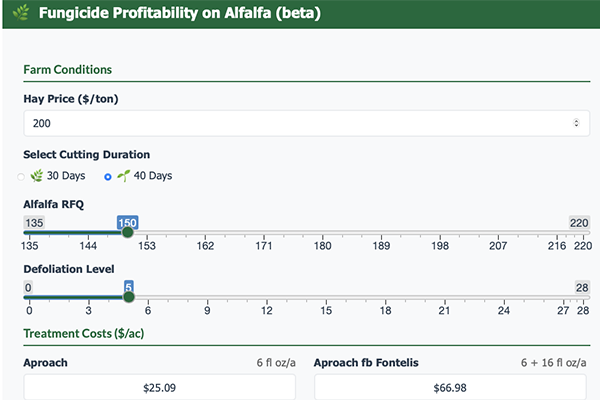
Alfalfa Crop Management: Systemic Review and Meta-Analysis
This project built a data-driven framework to quantify the agronomic and economic impacts of alfalfa management practices.
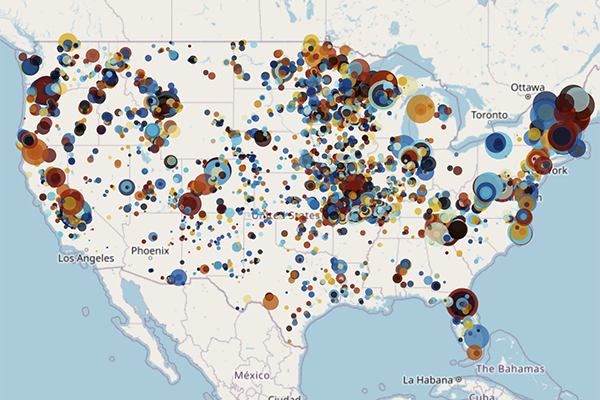
Soil Organic Carbon Assistant
This research aims to quantify the spatial and temporal variations of soil organic carbon stocks across the contiguous US. DSI also developed an open-source API that delivers soil organic carbon data.
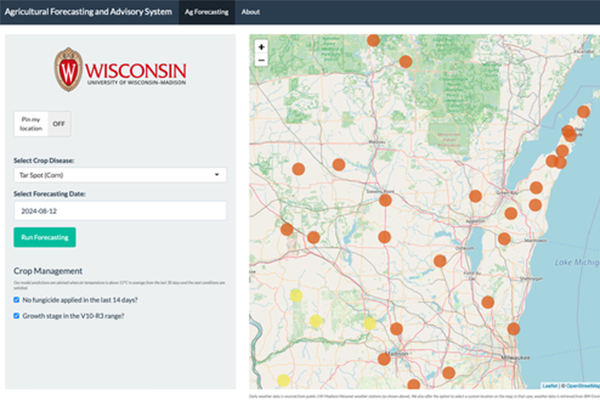
Open Source Crop Disease Forecasting Tool
Emerging diseases pose a growing threat to crop yields. Our open-source crop disease forecasting tool helps farmers protect their yields and profitability through data-driven decisions.
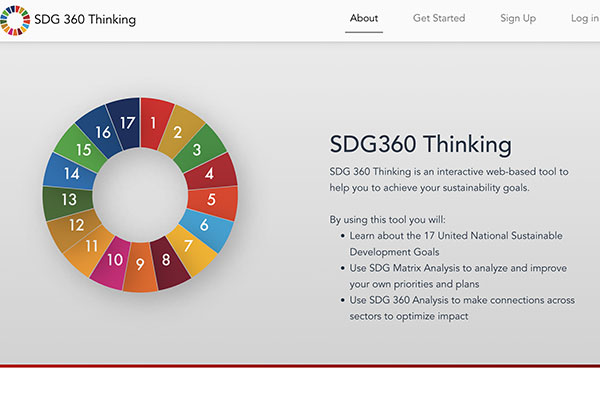
SDG360 Thinking
SDG360 Thinking is a web application that is used in conjunction with in-person activities to teach concepts related to the UN Sustainable Development Goals.
pyhf
pyhf is an open source, pure-Python library that implements statistical modeling and inference techniques commonly used in particle physics.
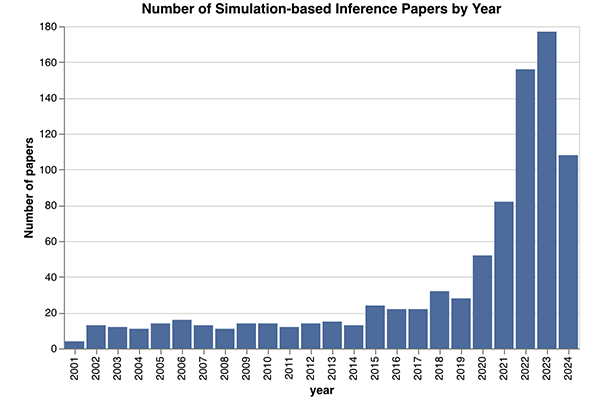
Simulation Based Inference Website
DSI created an automated pipeline to continuously update a website dedicated to the emerging field of simulation-based inference (SBI).
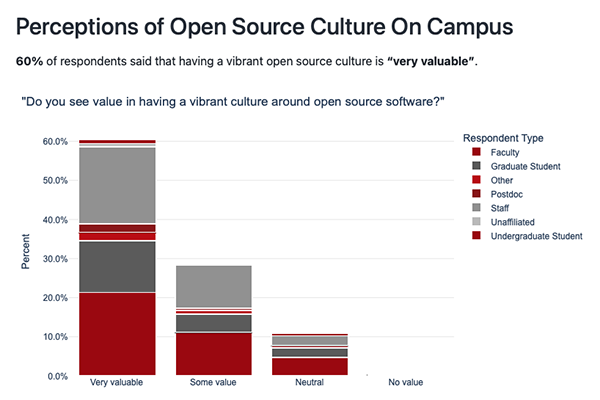
Open Source Survey
This project surveyed the UW–Madison community to gauge their use of open-source tools, identify projects under development, and collect feedback on improving the open-source environment.
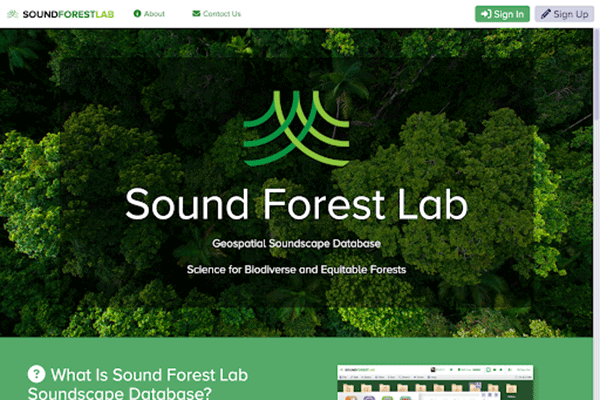
SoundForest Lab Database
The SoundForestLab Database enables the storage and sharing of a large database of ecological soundscape recordings. An audio soundscape is a useful tool for measuring biodiversity.
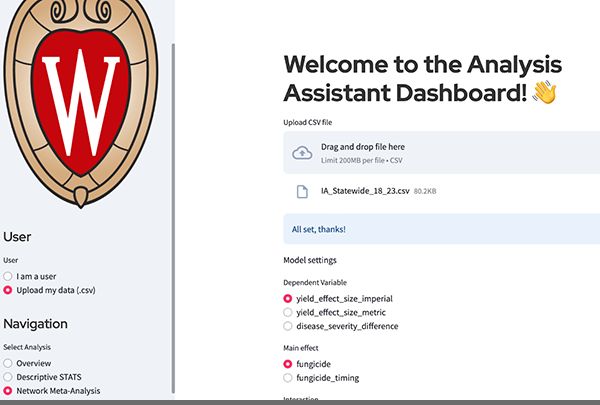
Analyzing Ag Research
This project developed an interactive dashboard to simplify meta-analysis, a statistical method that combines results from multiple studies to identify trends or draw general conclusions.
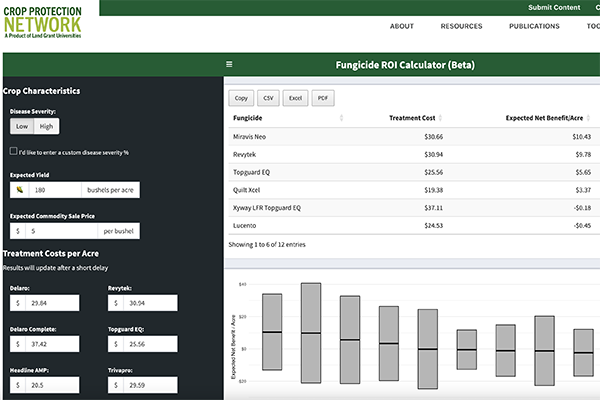
Corn Fungicide ROI Calculator
This decision-support tool allows corn growers to estimate the profitability of different fungicide applications based on real-time crop conditions.
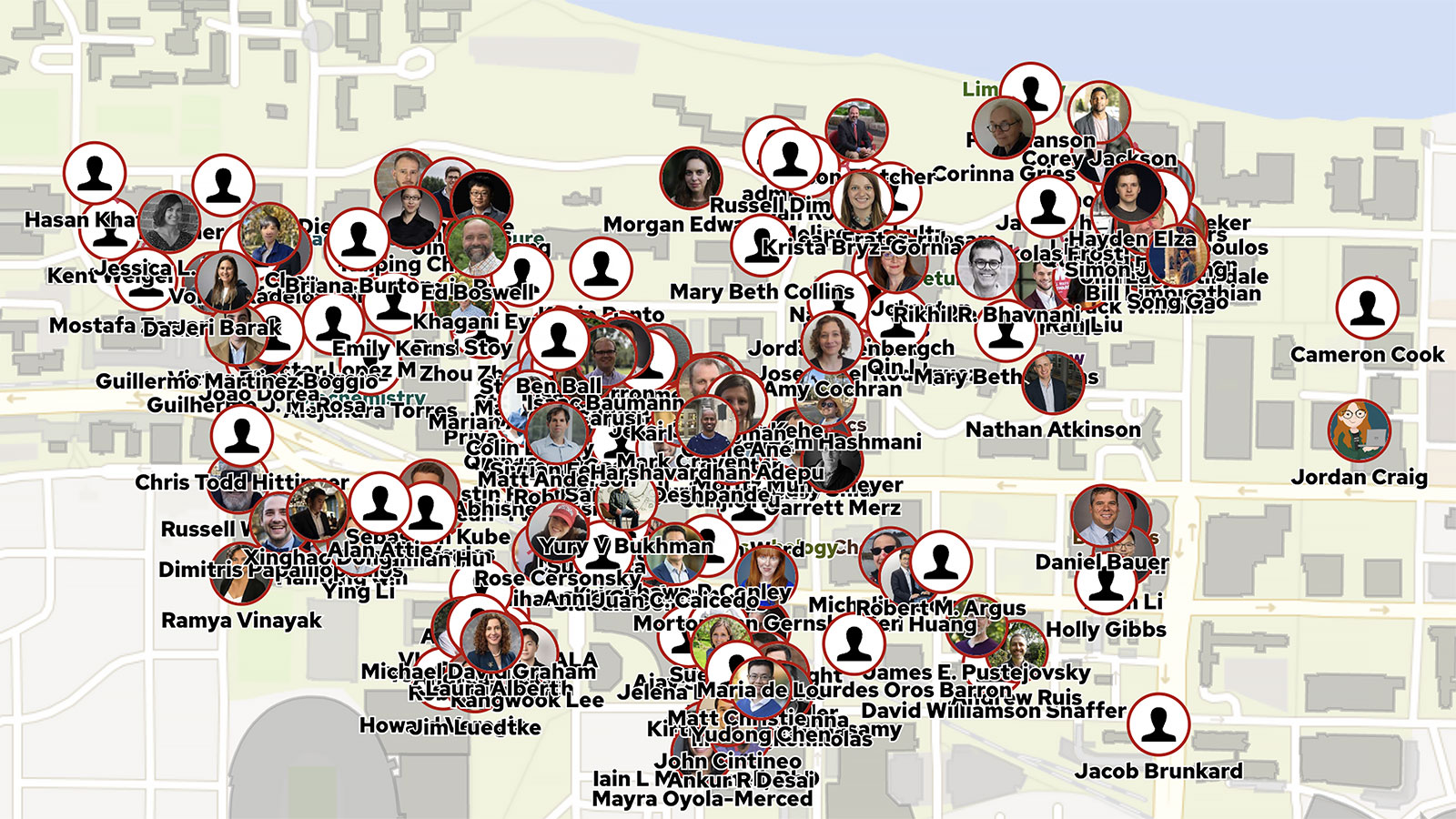
Data Science @ UW Community Map
The Data Science @ UW Community Map helps people navigate the thriving data science community on our campus.

Faculty Search Tool
The faculty search tool is a resource for everyone to find UW–Madison collaborators, reviewers, mentors, presenters, and subject matter experts.

RABBIT
RABBIT helps university faculty and staff discover relevant research, shared interests and potential collaborators across campus.